

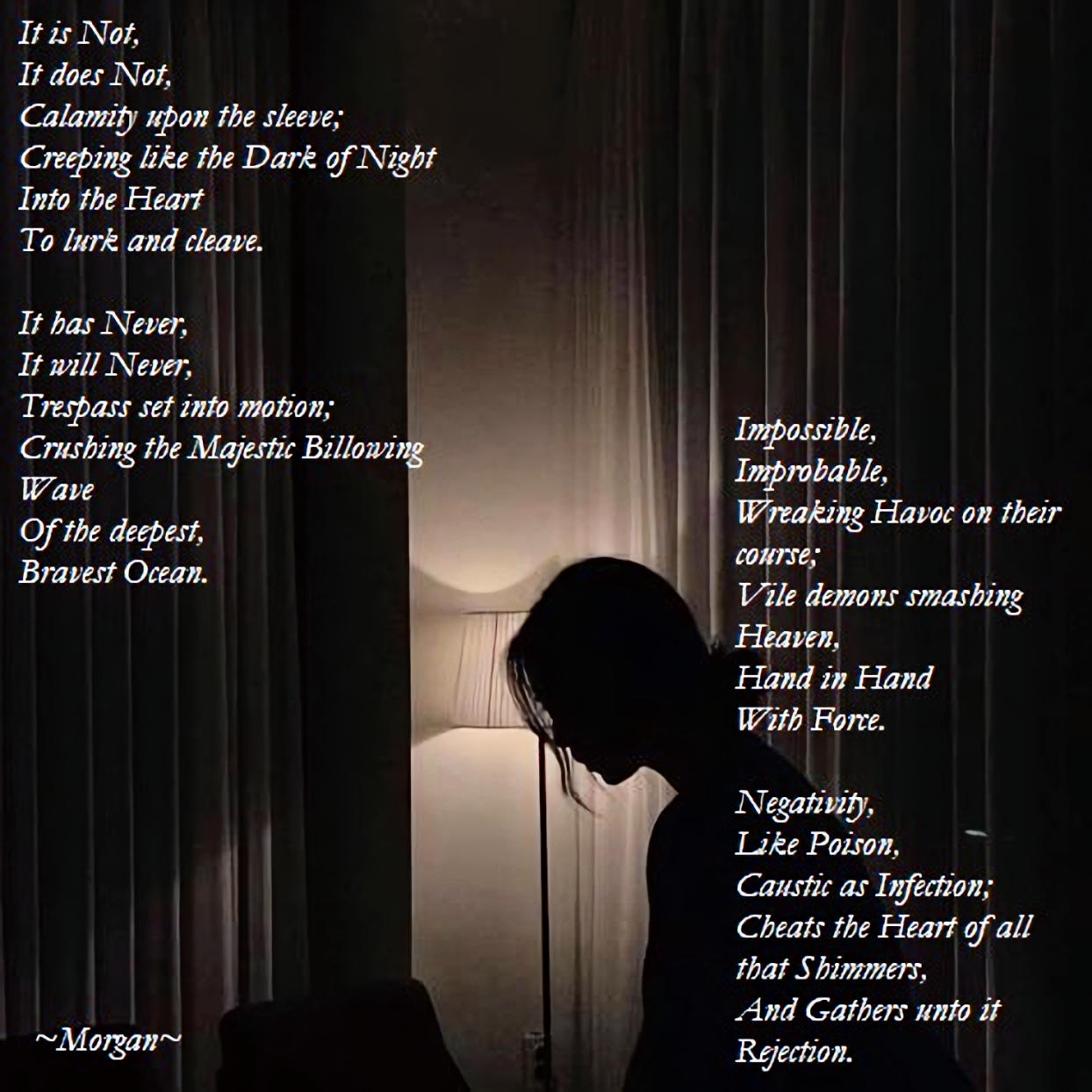
How Our Expectations Shape Other People’s Behavior
We like to believe that we see people as they are. That our judgments are neutral observations, carefully formed through evidence and experience. But research and lived experience suggests something far more unsettling and far more hopeful:
How we expect people to be often influences how they become.
The Invisible Influence of Expectation
Consider a familiar scenario.
If we quietly believe our partner is lazy, unmotivated, or unreliable, we may begin to treat them that way — offering less encouragement, less patience, fewer opportunities to contribute meaningfully. Over time, they may disengage, withdraw, or stop trying altogether.
The belief then becomes confirmed.
But what actually happened was not a new behavior; it was reinforcement.
Psychologists call this phenomenon a self-fulfilling prophecy: a belief that influences behavior in ways that make the belief come true. Expectations don’t just sit in our minds; they shape tone, attention, feedback, and opportunity — often without conscious intent.
The Science Behind the Pattern
One of the most well-known demonstrations of this effect is the Pygmalion Effect, first documented by psychologists Robert Rosenthal and Lenore Jacobson in the late 1960s.
In their landmark study, teachers were told that certain students — randomly selected — were expected to show significant intellectual growth over the year. These students were not actually different from their peers in ability. Yet, by the end of the year, many did show greater improvement.
Why?
Because teachers, believing in their potential, subtly changed how they interacted with them:
- more attention
- more encouragement
- more patience
- more opportunity
The students responded accordingly.
Belief altered behavior.
Behavior altered outcome.
When Expectations Harm Instead of Help
The inverse is also true.
The Golem Effect describes what happens when low expectations are placed on someone. When people are viewed as incapable, difficult, or unlikely to succeed, they often receive fewer chances, harsher judgments, and diminished support. Performance and confidence decline — not because ability is absent, but because belief has narrowed the field of possibility.
Importantly, this does not require cruelty or conscious negativity. Even subtle signals — less eye contact, shorter feedback, lower engagement — can shape how someone shows up.
Expectation becomes environment.
Beyond the Classroom: Everyday Life
These dynamics don’t end with education. They appear everywhere:
- In families, where children internalize what is expected of them long before they can articulate it
- In relationships, where partners slowly become the version they are repeatedly seen as
- In workplaces, where leaders’ beliefs influence morale, performance, and growth
When someone feels believed in, they are more likely to take risks, persist through difficulty, and stretch toward potential. When someone feels written off, they often conserve energy, protect themselves, or disengage.
Not because they are incapable — but because they are responding.
Belief Is Not Neutral
One of the most important insights is:
Belief is not passive.
What we believe about others influences how we speak to them, how much space we give them to grow, and how we interpret their mistakes. Over time, these small interactions accumulate into patterns that look like personality, motivation, or character but are often co-created.
This doesn’t mean we should deny reality or ignore harmful behavior. It means we should distinguish between what is happening now and what we assume is fixed.
Expectations can be held with awareness or they can quietly shape outcomes without our consent.
Changing the Pattern
The solution is not blind positivity or unrealistic optimism. It is conscious expectation.
This means:
- Noticing the labels we assign
- Questioning whether our beliefs are helping or constraining
- Offering belief as a signal, not a demand
Believing in someone does not guarantee success. But it does expand the conditions under which success becomes possible. And often, that expansion is enough.
A Closing Reflection
The people around us are not blank slates — but they are not static either.
They are adaptive, responsive, and shaped in part by how they are met.
So perhaps the question is not only Who is this person? But also: Who are they becoming in response to how I see them?
References & Further Reading
- Rosenthal, R., & Jacobson, L. (1968). Pygmalion in the Classroom.
- Simply Psychology — Self-Fulfilling Prophecy
https://www.simplypsychology.org/self-fulfilling-prophecy.html - Simply Psychology — The Pygmalion Effect
https://www.simplypsychology.org/pygmalion-effect.html - Wikipedia — Golem Effect
https://en.wikipedia.org/wiki/Golem_effect - Eden, D. (1992). Leadership and expectations: Pygmalion effects and their applications.
An Opportunity
If this article resonates with you, I’d love to share more of this work with you. My new book, Starseeds of the New Harmonic Era, explores this evolution in depth — the Fifth Wave, vibrational coherence, empathic architecture, and the quiet power of Harmonic Starseeds.
I’m currently offering a limited number of complimentary digital review copies to readers who feel aligned with this message and would be willing to share an honest review after reading.
If you’re interested, simply reach out to me at paradisecage@hotmail.com
with the subject line: Harmonic Review Copy Request.
I’d be honored to share this journey with you.

~ Morgan C. Morgan
Writer of light, shadow, and the stories between.
Need a daily dose of Positivity and Empowerment? Join Positivity Pathfinders, my Facebook group dedicated to Hope and Love.
If you’d like to keep up with everything I’m doing, sign up for my monthly newsletter by visiting my author website
If you’d like to see more of my artwork, please visit my DeviantArt page
 BooknVolume